
Buying or selling a home in Cumberland County is exciting, but closing day can still feel like a black box if you do not know what happens between the contract and the keys. If you are wondering what paperwork matters, who is involved, and what local details can affect timing, you are not alone. This guide walks you through what to expect at closing in Cumberland County real estate so you can feel prepared, ask better questions, and move forward with more confidence. Let’s dive in.
After Contract, Before Closing
Once a contract is ratified, the closing process starts moving behind the scenes. As a buyer, you will usually work through underwriting, inspection, appraisal, insurance, and document review before settlement.
During this stretch, your lender may ask for updated pay stubs, bank statements, or other financial documents. You may also schedule inspections, review revised loan estimates if numbers change, and prepare for the final loan approval.
In Virginia, buyers are also expected to do their own due diligence before settlement. That can include reviewing property-specific items like surveys, zoning and setback questions, septic or wastewater systems, flood hazards, radon, and other issues that may affect the property.
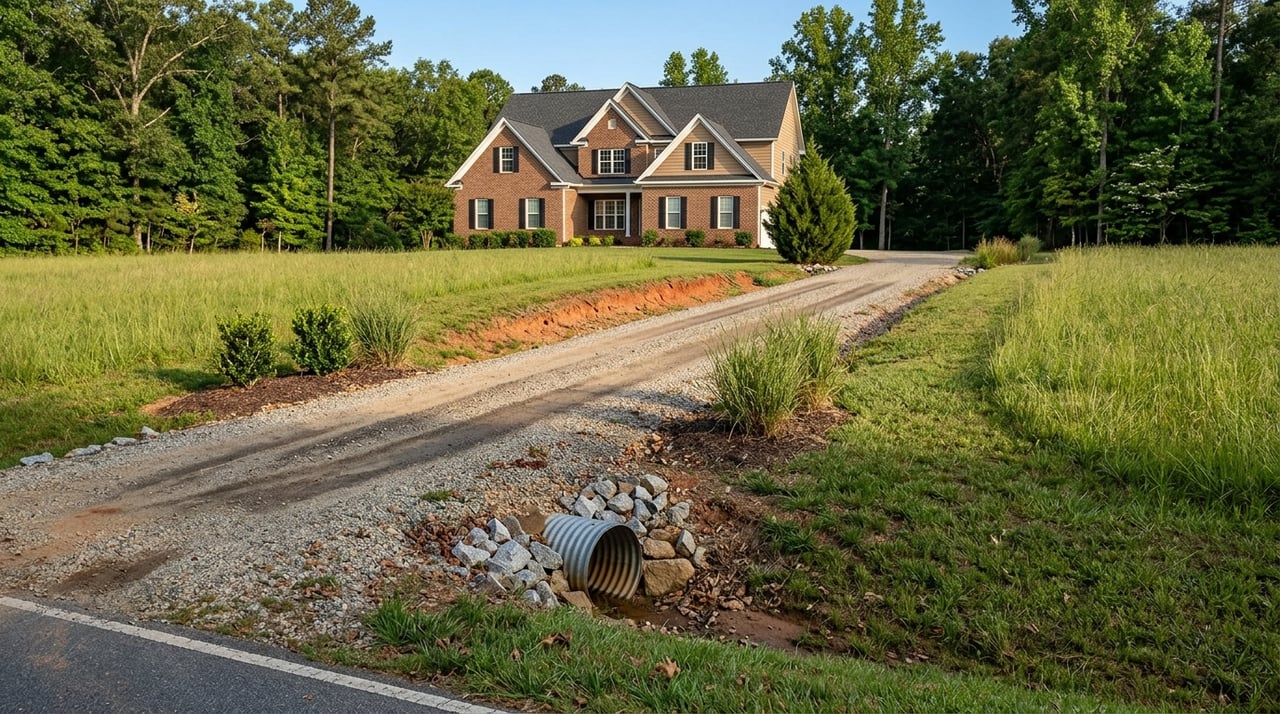
That matters in Cumberland County because many properties involve rural features that need a closer look. If you are buying a home with acreage or a property outside more built-up areas, lot lines, access, wastewater systems, and zoning details can have a bigger role in your decision.
Due Diligence Matters in Cumberland
Not every closing follows the exact same path. In Cumberland County, the details of the land and the property itself can shape what you need to review before settlement.
For example, if a home relies on a septic system, you may want to understand its condition and any related records. If the parcel has unusual boundaries or you plan to use the land in a specific way, a survey, zoning review, or setback check may be important before you sign final papers.
Flood-hazard questions can also come up depending on the property. The key point is simple: closing is smoother when you address these questions early instead of discovering them at the last minute.
What the Settlement Agent Does
A lot of the closing process is handled by the settlement agent. Under Virginia law, settlement services can include ordering title insurance, collecting payoff information, preparing settlement statements or Closing Disclosures, confirming lender instructions, scheduling the closing, receiving and disbursing funds, arranging recording, and sending the recorded deed and title policy after closing.
Depending on the transaction, the closing agent may be a title company, escrow officer, or attorney. Their job is to help coordinate the administrative side of the transaction so the buyer, seller, and lender can get to the finish line.
If you are buying, Virginia law also requires the settlement agent to notify you about the availability of owner’s title insurance before funds are disbursed. That is one more reason to review your paperwork carefully and ask questions before closing day arrives.
Review Your Closing Disclosure Early
One of the most important documents in the process is the Closing Disclosure. Buyers should receive it at least three business days before closing.
This document shows your final loan terms, closing costs, and the cash you need to bring to closing. It is smart to compare it with your earlier Loan Estimate so you can spot changes, understand the final numbers, and ask about anything that looks unfamiliar.
The Closing Disclosure also separates total closing costs from your actual cash to close. That distinction helps you understand what the transaction costs overall versus what you personally need to bring to the table on closing day.
If possible, review other key documents in advance too. That may include the promissory note, the deed of trust, and the deed, depending on your role in the transaction.
Final Walk-Through Comes First
Before you sign the paperwork, buyers should complete a final walk-through. This usually happens shortly before closing and gives you a chance to confirm the home is in the expected condition.
During the walk-through, you can check that agreed-upon repairs were completed and that items meant to stay with the home are still there. If something is missing or unfinished, raise it right away with the seller or settlement agent before signing.
Sometimes an issue cannot be resolved immediately. In some cases, a seller may offer a credit toward closing costs instead of finishing a repair right before settlement.
What to Bring on Closing Day
Closing day is mostly about verifying identity, reviewing final numbers, and signing the official paperwork. Bringing the right items can help the appointment go more smoothly.
Here is what buyers should plan to have with them:
- A valid driver’s license or other ID
- Your Closing Disclosure
- A cashier’s check or proof of wire transfer for the exact amount due
Be especially careful with wire instructions. Last-minute changes can be a scam, so any transfer details should be verified through trusted contact information before you send funds.
What Happens at the Closing Table
At the closing table, buyers sign legally binding loan documents and sellers sign the deed. Once everything is ready, the lender sends funds to the settlement agent for disbursement.
This is the point where the paperwork becomes official, but recording still matters. After signing, the settlement agent handles the next steps to complete the transfer, including arranging for the deed to be recorded.
For many buyers and sellers, this appointment feels like a lot of signatures in a short amount of time. That is normal. The best way to make it feel manageable is to review documents early and show up with your questions ready.
Cumberland County Recording Details
In Cumberland County, deed recording is handled through the Clerk of Circuit Court’s office. The office is located at 1 Courthouse Circle and is open Monday through Friday from 8:30 a.m. to 4:30 p.m.
For land transactions, the county asks parties to arrive before 4 p.m. so there is enough processing time. The county also accepts electronic recording for deeds and land records, which can help with processing logistics depending on how the settlement is handled.
Virginia also requires land-record cover sheets on deed recordings. That is one of the local administrative details your settlement team handles as part of getting the transaction finalized.
Local Taxes and Timing
A few local cost and timing details are worth knowing in Cumberland County. During a real estate closing, prorated real estate taxes or taxes paid as part of the transaction are handled by the attorney.
The county also notes that tax bills are mailed to the owner of record as of January 1. In addition, land-transfer records are sent weekly to the Commissioner of the Revenue, which means the tax roll may not update immediately after closing.
For recording costs, Virginia imposes a state recordation tax of 25 cents per $100 or fraction of $100 on deeds when they are first offered for recordation. Localities may also impose an additional recordation tax equal to one-third of the state tax.
For general property tax context, Cumberland County’s current real estate tax rate is $0.60 per $100 of assessed value. That is separate from your closing costs, but it is still useful to understand as you plan your ownership costs.
How to Make Closing Less Stressful
Closing tends to feel smoother when you stay proactive in the final weeks before settlement. A few simple habits can make a big difference.
Here is a practical checklist:
- Respond quickly to lender requests
- Schedule inspections and due diligence items early
- Review septic, survey, zoning, or flood questions when they apply
- Compare your Closing Disclosure with your Loan Estimate
- Verify wire instructions through a trusted contact method
- Complete your final walk-through before signing
- Bring your ID and exact funds information to closing
If you are selling, it also helps to stay organized on repair items, moving timelines, and any property access needed before settlement. The fewer loose ends you have in the final days, the easier closing day usually feels.
Buying or selling in Cumberland County often comes with details that are different from a more typical suburban transaction, especially when land, septic systems, or rural property features are involved. Having a local guide who understands those moving parts can help you stay ahead of issues before they affect your timeline. If you are planning a move in Cumberland County and want straightforward advice from a local expert, reach out to Joey Wray for practical guidance every step of the way.
FAQs
What happens between contract and closing in Cumberland County real estate?
- After the contract is ratified, buyers usually move through underwriting, inspection, appraisal, insurance, and document review before settlement.
When do buyers get final closing numbers in Cumberland County real estate?
- Buyers should receive the Closing Disclosure at least three business days before closing.
What should buyers check during a final walk-through in Cumberland County?
- Buyers should confirm agreed repairs were completed and that items expected to remain with the home are still there before signing closing documents.
Who is usually at closing in Cumberland County real estate?
- Depending on the transaction, the closing agent may be a title company, escrow officer, or attorney, along with the buyer and seller as needed.
Where are deeds recorded for Cumberland County real estate closings?
- Deeds are recorded through the Cumberland County Clerk of Circuit Court’s office, which also accepts electronic recording.
How are real estate taxes handled at closing in Cumberland County?
- The county states that prorated real estate taxes or taxes paid during closing are handled by the attorney.