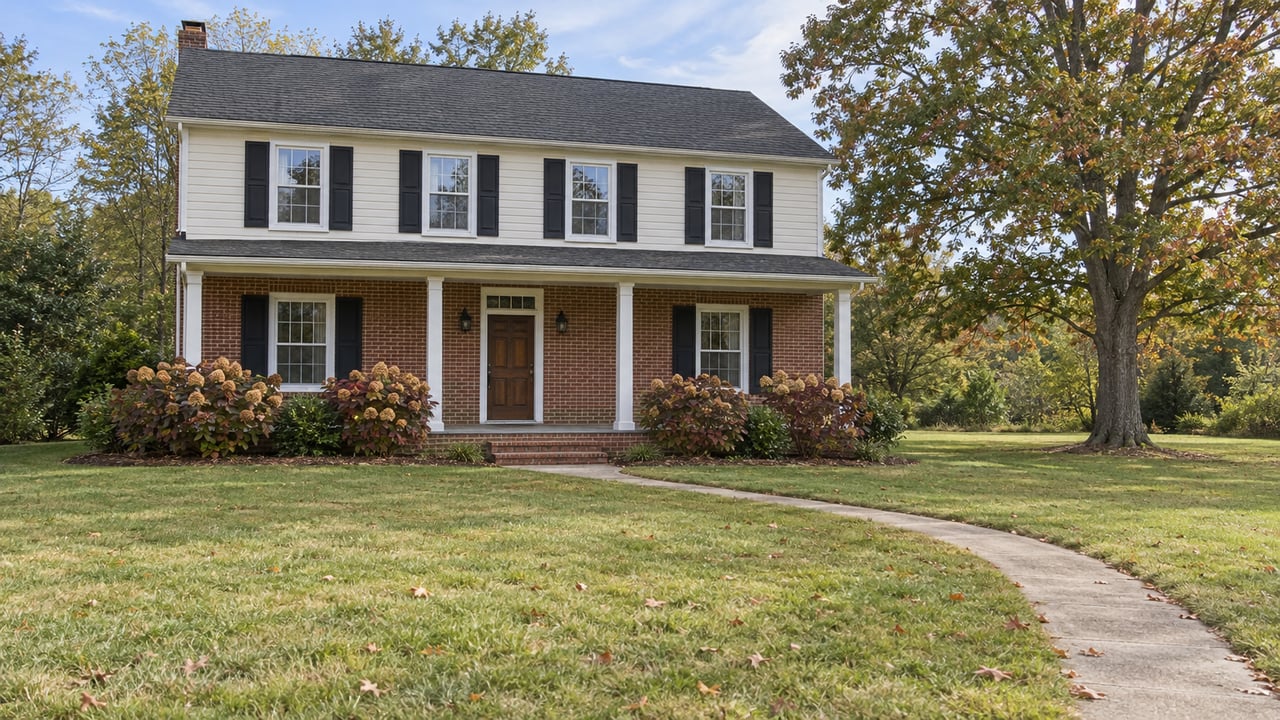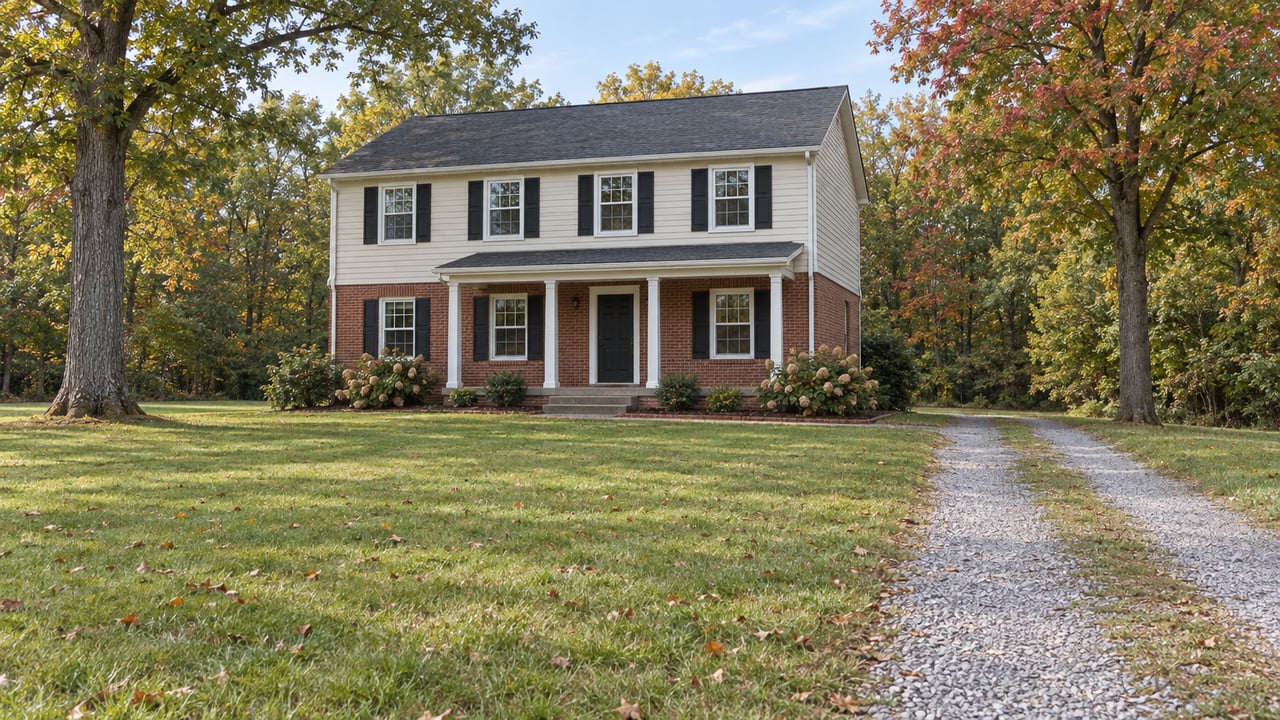
Trying to decide between an existing home and a new build in Cumberland County? It sounds simple at first, but in a rural market like this one, the choice often comes down to more than style or age. You need to weigh timing, land readiness, private well and septic questions, and the real pace of local approvals. If you want a clearer way to compare your options before you buy, this guide will help you sort through what matters most. Let’s dive in.
Cumberland County Changes the Equation
Cumberland County is a rural, low-density market with about 10,352 residents spread across 297.47 square miles. Census data also shows 4,938 housing units, a 75.9% owner-occupied rate, and 70 building permits in 2025.
That matters because it points to a market with a much larger base of existing homes than new construction. In other words, if you are deciding whether to buy an existing home or build from the ground up, you are making that choice in a place where rural land, permitting, and site conditions carry real weight.
The county’s updated Comprehensive Plan also emphasizes preserving rural character. In some areas, conservation subdivision rules in the A-2 district can require 75% of a development to remain undeveloped, which is one more reason the lot itself becomes a major part of any build decision.
Existing Homes: Usually the Faster Path
If your main goal is to move sooner and reduce moving parts, an existing home will often give you the simpler path in Cumberland County. You are buying a property that is already standing, which usually removes a long chain of pre-construction steps.
That does not mean you should skip diligence. In a rural county, many homes rely on private wells and onsite septic systems, and those systems deserve close attention before you commit.
What makes existing homes appealing
Existing homes usually work well for buyers who want:
- A shorter path to occupancy
- A clearer picture of the finished home and lot
- Fewer construction-related unknowns
- More predictable near-term timing
You may also be able to evaluate the property’s condition, layout, road access, and surroundings more directly than you could with a vacant parcel.
What to check on an existing home
In Cumberland County, your due diligence should go beyond the house itself. You will want to understand how the property functions day to day, especially if it uses private utilities.
Focus on these items:
- Septic system condition and maintenance history
- Private well testing and water quality questions
- General repair and upkeep history
- Property boundaries and access
- Tax expectations based on assessed value
The Virginia Department of Health does not require onsite sewage-system inspections for property transfers, though a lender may require one. VDH also recommends having a licensed professional inspect the system, and if major deficiencies are found, repairs can take weeks and may delay closing.
Private wells deserve the same level of care. VDH does not test private wells for owners, but it recommends that buyers consider testing well water during a purchase. It also recommends annual bacteria and nitrate testing, with additional testing if you notice changes in taste or cloudiness, or if flooding or nearby contamination becomes a concern.
New Builds: More Control, More Process
If you want to choose your floor plan, finishes, and homesite, building can be a great fit. But in Cumberland County, the new-build path is usually more complex and more paperwork-heavy than many buyers expect.
In this market, building is often a parcel-and-permitting exercise first and a design exercise second. Before you get too far into house plans, you need to know whether the lot supports what you want to build.
Why building takes longer here
Cumberland County requires a zoning permit before starting construction or locating structures. That application must include a plat or scaled drawing, and the county notes that the permit does not establish property lines, so you are responsible for locating them accurately.
The county also requires a building permit for all construction, remodeling, additions, or demolition. For a new home, the checklist may include two full sets of plans, engineering paperwork, Planning and Zoning approval, erosion and sediment control approval if needed, Health Department permits, and a VDOT driveway entrance permit.
New-home building permits also cannot currently be submitted electronically. They must be hand-delivered or mailed with the required documentation, which is another reminder that local process and timing matter.
What the permit path may involve
A new build can require several steps before construction really gets going. Depending on the parcel and project, you may need:
- Zoning permit approval
- Building permit application and review
- Health Department permits for septic and well
- Driveway entrance approval through VDOT
- Erosion and sediment control approval, if needed
- Multiple staged inspections during construction
After construction, the county’s residential inspection process requires staged inspections, and the Certificate of Occupancy is issued within five working days after final inspection approval. That means your move-in date depends on more than just the builder’s schedule.
The Lot Is Often the Real Decision
In Cumberland County, the biggest question is often not whether you like the idea of building. It is whether a specific parcel is actually buildable in the way you want.
That is especially important in a county that values rural preservation and low-density development. The land may look perfect at first glance, but buildability depends on practical details that affect cost, timing, and even whether the project can move forward at all.
Questions to ask about a buildable lot
Before you commit to land, make sure you review:
- Survey or plat availability
- Confirmed property lines
- Zoning and floodplain status
- Driveway access potential
- Utility availability
- Septic feasibility
- Well feasibility
- Site layout constraints
VDH’s current application for septic and well review asks for a site sketch that shows property lines, proposed buildings, driveway location, and wells or sewage systems on adjoining property within 200 feet of the proposed homesite. That gives you a good sense of how detailed the review can become.
If the lot is not served by public sewer or a public water system, VDH says the owner must obtain sewage-disposal and private-well permits before the county will issue a building permit. The application process may require private-sector evaluations and designs unless a hardship petition is approved, and some lots may need test pits if soil conditions cannot be evaluated normally.
Costs to Compare Beyond the Purchase Price
Price per square foot does not tell the whole story when you compare an existing home to a new build. In Cumberland County, each path has its own cost pattern.
An existing home may come with repair, maintenance, septic, or well-related costs. A new build may start with modest county fees, but site work, consultant reports, utility solutions, and permit sequencing can add up quickly.
Existing-home cost considerations
For an existing home, look closely at:
- Inspection findings
- Septic repair risk
- Well testing and possible treatment needs
- Maintenance items that may come sooner than expected
- Annual county real-estate taxes
Cumberland County assesses real-estate taxes as of January 1, with bills going to the owner of record on that date. The county real-estate tax rate is $0.60 per $100 of assessed value, so a home valued at the county median of $239,300 works out to about $1,436 per year in county real-estate tax before other charges.
New-build cost considerations
For a new build, budget for more than plans and construction. You may also face:
- Zoning permit fees
- Building permit fees
- Virginia’s 2% levy on building permit fees
- Re-inspection fees if inspections fail more than once
- Septic and well evaluation costs
- Survey and engineering costs
- Driveway and sitework costs
The county’s posted fee schedule lists a $50 residential primary-use zoning permit. The building fee schedule lists a $175 minimum permit for one- and two-family dwellings, plus the 2% state levy, and the county charges a $50 re-inspection fee after a second failed inspection.
Which Option Fits Your Goals?
Both paths can work well. The better choice depends on what you value most and how much uncertainty you are willing to manage.
If you want speed, fewer variables, and a property you can evaluate right now, an existing home will often make more sense. If you want customization and are comfortable navigating lot review, permits, and a longer timeline, a new build may be worth the extra effort.
Existing homes may be better if you want:
- A faster move
- A simpler transaction path
- Fewer land-development unknowns
- A clearer picture of the home from day one
New builds may be better if you want:
- More control over layout and finishes
- A home tailored to your preferences
- Flexibility to choose land and homesite placement
- Willingness to handle a longer approval and construction process
A Practical Cumberland County Rule of Thumb
In many markets, buyers start with the house plan. In Cumberland County, it is smarter to start with the property and the process.
A simple way to frame it is this: existing home usually means faster, simpler, and less exposed to site-specific risk. New build usually means more customization, but only after the parcel clears zoning, access, septic, well, and permit hurdles.
That local difference is exactly why it helps to work with someone who understands rural property decisions beyond the listing photos. If you are weighing homes, land, or both in Cumberland County, Joey Wray can help you look at the practical side of the decision and move forward with more confidence.
FAQs
What makes existing homes easier to buy in Cumberland County?
- Existing homes are usually faster to occupy because the house is already built, but you should still review septic, well, maintenance history, access, and other property-specific details.
What permits are needed for a new build in Cumberland County?
- A new build may require a zoning permit, a building permit, Health Department approvals for septic and well, possible erosion and sediment control approval, and a VDOT driveway entrance permit.
Why is lot suitability so important for building in Cumberland County?
- Lot suitability matters because rural parcels may have constraints tied to zoning, floodplain review, driveway access, property lines, and whether the land can support private well and septic systems.
Should you test a private well when buying an existing home in Cumberland County?
- VDH recommends that buyers consider testing private well water during a purchase, even though VDH does not require that testing for property transfers.
Do septic systems have to be inspected before buying a home in Cumberland County?
- VDH does not require onsite sewage-system inspections for property transfers, but lenders may require them, and VDH recommends having a licensed professional inspect the system.
How are real-estate taxes handled for homes in Cumberland County?
- Cumberland County assesses real-estate taxes as of January 1, bills the owner of record on that date, and taxes new construction when completed with proration for the rest of the year.