If you are planning to sell your home in Cumberland County, timing matters, but not in the way many sellers think. A fast sale does not usually start with picking a spring date on the calendar. It starts with giving yourself enough time to prepare the home, organize the paperwork, and handle any rural property details before buyers start asking questions. In this guide, you will see how to build a realistic home sale timeline in Cumberland County so you can launch with more confidence. Let’s dive in.
Why timing looks different here
Cumberland County is a smaller, mostly owner-occupied market. Census QuickFacts reports 10,352 residents, 4,938 housing units, and a 75.9% owner-occupied rate.
Recent market snapshots have shown roughly 83 to 89 active listings, median listing prices around $350,000, and median days on market around 31 to 39 days. Sale-to-list ratio data has also been near 100%, which points to a market where pricing and preparation still matter.
For you, that means it is smart to plan for a one- to two-month market window instead of expecting a same-week sale. It also means current inventory and days on market should be checked again right before you list, because local conditions can shift.
Start 8 to 12 weeks early
For many Cumberland County sellers, a practical timeline begins 8 to 12 weeks before launch. That extra runway gives you time to prepare the home, gather records, and sort out issues that often come up with rural or exurban properties.
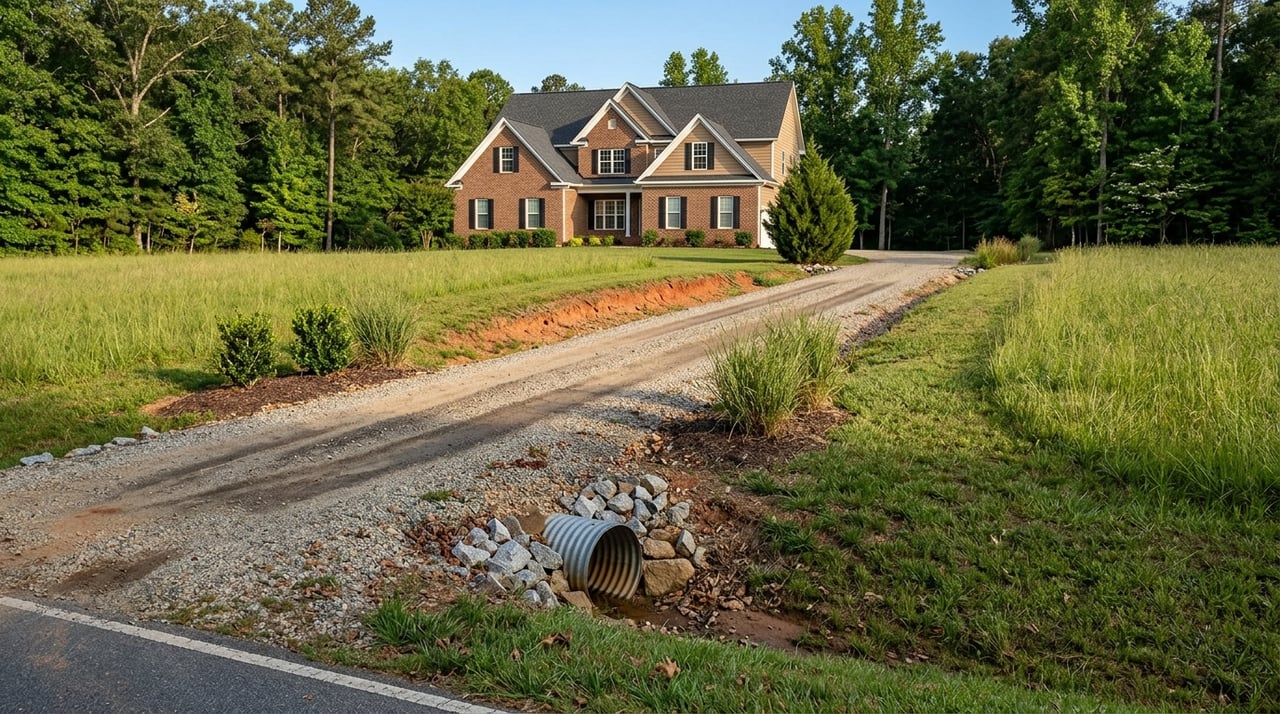
This matters even more if your property includes acreage, detached buildings, a private well, or an onsite sewage system. In those cases, a simple resale can turn into a longer prep process if questions surface late.
What to do first
Your first step is to think about readiness, not just listing date. Before photos or pricing, you want a clear picture of the home’s condition, documentation, and any property-specific details a buyer may ask about.
A strong early checklist includes:
- Gathering property records and past improvement details
- Reviewing any recent repairs or maintenance
- Identifying permit-related work from past projects
- Confirming details tied to septic, well, driveway access, or land use
- Planning light repairs, cleanup, and presentation updates
Build your seller file early
Virginia uses a disclosure framework that leans heavily on buyer due diligence, but sellers still have required forms and important information to provide. The state says selling homeowners must complete the Residential Property Disclosures Acknowledgement Form, and buyers receive the Residential Property Disclosure Statement and Flood Risk Information Form.
For pre-1978 homes, lead-based paint rules also apply. That information needs to be provided before a buyer becomes obligated under contract.
In practical terms, this means your paperwork should be started well before you go live. Waiting until an offer is on the table can create delays that are easy to avoid.
Records that can save time later
In Cumberland County, it helps to collect documents tied to any property changes or improvements. The county notes that building permits are required when constructing, remodeling, adding to, or demolishing a building, and some applications may also involve planning or zoning approval, erosion and sediment control approval, Health Department permits, and a VDOT driveway entrance permit.
If you have completed work over the years, gather what you can now. Helpful items may include records for:
- Additions
- Remodeling projects
- Decks and porches
- Detached garages or sheds
- Driveway work
- Other structural improvements
Expect extra prep for private systems
If your home uses a private well or onsite sewage system, build in extra time. The Virginia Department of Health says permit or certification applications must be accompanied by work from a properly licensed private-sector consultant.
That does not mean every sale will hit a problem. It does mean septic, well, and land-related questions can take longer to sort out if they appear late in the process.
Why rural details affect your timeline
In a neighborhood with public utilities and straightforward lot lines, seller prep can be simpler. In Cumberland County, many homes have features that require more context, such as acreage, private systems, detached structures, or access issues.
That is why starting early matters. If anything needs clarification, you want time to handle it before buyers are comparing your home to other available listings.
Focus on launch week
Once the home is ready, your launch should feel deliberate and organized. This stage includes final pricing, photos, showing instructions, and a plan for responding to feedback and offers.
Because current county listings have been moving in about a month on average, the first week on market often carries the most weight. Buyers notice new listings quickly, so this is the moment when presentation and price need to work together.
Your pre-launch checklist
Before the listing goes live, aim to have these items nailed down:
- Final home prep and cleaning complete
- Photos scheduled and reviewed
- Pricing strategy confirmed
- Showing instructions set
- Key records and disclosures organized
- A response plan ready for feedback and offers
If these details are handled ahead of time, you are less likely to feel rushed once showings begin.
Don’t rely on season alone
Spring usually gets the most attention, and broad market research still points to spring as a strong listing season. Realtor.com’s 2026 timing research identified April 12 through 18 as the best national listing window, but it also notes that spring is not automatically the best season in every market.
For Cumberland County sellers, the better approach is to treat season as just one piece of the decision. Your home’s readiness, current inventory, and your own move-out timeline often matter more than chasing a date on the calendar.
A smarter way to pick your listing date
Ask yourself:
- Is the home fully ready for photos and showings?
- Are disclosures and records organized?
- Have any septic, well, permit, or land questions been addressed?
- What does current local inventory look like right now?
- Does the timing support your next move?
If the answer to those questions is yes, your launch timing is probably stronger than picking a month based on general advice alone.
Plan for the contract-to-close period
Accepting an offer is a big step, but it is not the finish line. The closing period still includes buyer-side tasks that can affect your timeline.
During this stage, the buyer may schedule inspections, continue document collection with the lender, and shop for homeowner’s and title insurance. The lender must also provide the Closing Disclosure three business days before the scheduled closing date.
What sellers should expect after an offer
Once you are under contract, common timeline checkpoints include:
- Buyer inspections and follow-up discussions
- Lender underwriting and document review
- Insurance and title work on the buyer side
- Final settlement coordination
- The three-business-day Closing Disclosure window
That last three-day period is important because final issues often surface then. Even when the deal is moving well, it helps to stay flexible and responsive through the finish.
Remember the local closing mechanics
In Cumberland County, closing also involves local recording and tax details. The circuit court clerk maintains deed records, Virginia land record cover sheets are required for deed recordings, and the county offers electronic recording for deeds and land records.
The county also states that real estate taxes are assessed as of January 1, tax bills go to the owner of record on January 1, and prorations at closing are handled by the attorney. These are not dramatic issues, but they are part of why a local, organized closing process matters.
If recent construction is involved
If your property had recent construction or a major alteration, you may need to account for final inspection or certificate of occupancy timing. Cumberland County says the building official issues a certificate of occupancy within five working days after approval of the final inspection when the building complies with applicable laws and ordinances.
If that applies to your home, it is best to confirm those details early rather than near settlement.
A sample Cumberland County sale timeline
Here is a practical way to think about your timeline:
| Timeline Stage | What to Focus On |
|---|---|
| 8 to 12 weeks before listing | Disclosures, records, permit history, septic or well questions, repairs, cleanup |
| 2 to 3 weeks before listing | Final prep, staging touches, photos, pricing strategy, showing plan |
| First week on market | Buyer attention, showings, feedback, offer review |
| Under contract to closing | Inspections, underwriting, title work, final coordination, settlement prep |
Every property is different, but this framework fits the way many Cumberland County sales unfold.
The big takeaway for sellers
If you are selling in Cumberland County, the best timeline usually starts earlier than you might expect. A realistic plan is to use the first 8 to 12 weeks for prep, treat the first week on market as your strongest launch window, and stay engaged through inspections, underwriting, and closing coordination.
That approach gives you more room to solve problems before they become deal friction. It also helps you present your home with the kind of clarity and confidence buyers appreciate.
If you want help building a sale plan that fits your property, your timing, and the local market, Joey Wray offers straightforward guidance backed by deep experience in Cumberland County and other rural markets around Richmond.
FAQs
How far ahead should you start planning a home sale in Cumberland County?
- A practical planning window is about 8 to 12 weeks before listing so you have time for disclosures, records, repairs, and any septic, well, or permit-related questions.
Is spring always the best time to list a home in Cumberland County?
- No. Spring can be strong, but local inventory, your home’s readiness, and your move schedule are often more important than the season alone.
What can slow down a home sale timeline in Cumberland County?
- Private well or septic questions, missing permit records, recent improvements, land-related issues, and last-minute paperwork can all add time.
What should sellers expect after accepting an offer in Cumberland County?
- You should expect inspections, buyer lending steps, insurance and title work, and final settlement coordination before closing.
Do recent home improvements matter when selling a home in Cumberland County?
- Yes. If you added or changed structures or completed major work, it helps to gather records early because buyers may ask about permits, approvals, and final inspections.