What happens to a lake known for growing the biggest bass in Virginia when hunting season opens on the same acreage the anglers have been using all summer?
That question has an actual answer at Briery Creek, and it is not the one most casual visitors assume. The 845-acre lake sits inside the 3,164-acre Briery Creek Wildlife Management Area, about seven miles south of Farmville, and for most of the year it runs as one thing: a fishing destination with a reputation that reaches well past Prince Edward County. Then September 1 arrives, and the same ground becomes a hunting area too, with its own season dates, its own gear requirements, and its own paperwork. Anyone who has only ever visited in June is about to find out that summer's rules were the easy version.
A Lake Built, Slowly, to Grow Big Bass
Briery Creek Lake did not become one of the state's best bass fisheries by accident, and it did not happen fast. The dam went in during 1986, and the lake opened to fishing in 1989. Biologists stocked it that first winter with Florida strain largemouth bass, northern strain largemouth, bluegill, redear sunfish, channel catfish, and crappie, betting that the Florida genetics paired with the lake's flooded timber would eventually produce trophy-sized fish.
The regulations tell the rest of the story. The original rule allowed anglers to keep bass down to 18 inches, two fish a day. By 1991, biologists had already changed course to a 12 to 15 inch protected slot with a five-fish limit, giving smaller bass room to grow past the size where most anglers would otherwise take them home. The slot moved again in 2001, this time to 14 to 24 inches, and again in 2013 to 16 to 24 inches, where it stands now. Under the current rule, anglers can keep five bass a day, but only one can be longer than 24 inches.
Each adjustment protected a slightly larger window of fish, and the payoff shows up in the record books. Twenty-four of the twenty-five heaviest largemouth bass ever entered into the Virginia Angler Recognition Program since 1993 have come out of Briery Creek. That is not a lake that happens to have good fishing. That is four decades of deliberate management producing a specific, measurable result, and it is why serious anglers from well outside Prince Edward County still make the drive.
The Wildlife Management Area Runs on a Different Calendar
The lake gets the attention, but it sits inside a wildlife management area, and a WMA operates under different rules than a park or a boat landing. Briery Creek's hunting season runs April 1 through May 31 for spring turkey, then again September 1 through February 28 for the fall and winter seasons. That second window is the one that matters right now. As of late September, hunters have legal access to the same ground where anglers have spent the summer casting for bass, and the two activities share the property for the next several months.
Anyone 17 or older who wants to be on the WMA needs one of a few things: a valid Virginia hunting license, a freshwater fishing license, a trapping license, a current boat registration, or a Restore the Wild Membership that covers WMA access. A summer angler who let a fishing license lapse, or who was fishing under someone else's boat registration, may not realize they need to sort that out before showing up in October. The property doesn't stop being open. It just stops being free to walk onto without one of those credentials, and during the open hunting season, blaze orange becomes the practical safety standard for anyone hiking, fishing from the bank, or launching a canoe.
Which Boat Ramp You Use Still Matters
Briery Creek has two public access points, and they serve different purposes depending on what you're doing.
Off Route 790, near the dam, there's a concrete ramp with a courtesy pier and a large paved parking area, plus a separate unimproved gravel ramp better suited to canoes and small boats. That same stretch has a covered, handicapped-accessible fishing pier built in 1999, and biologists place Christmas trees around it as fish attractors, a small detail that explains why that pier consistently produces fish for anglers who can't get out on the water. Route 790 also ends on a peninsula that gives shoreline anglers real casting room without a boat.
Route 701 leads to the lake's other major access point, a two-lane concrete ramp with courtesy piers and its own large parking area. That side gives boaters an easier path to the upper end of the lake, which matters if you're trying to reach water the Route 790 crowd doesn't fish as often.
Neither ramp is better in an absolute sense. They just serve different trips, and knowing which one matches what you're doing saves a wasted drive.
What's Actually Moving Through the Lake This Time of Year
The lake's open water and surrounding hardwoods make it a genuine wildlife-watching spot, not just a fishing hole, and fall brings its own cast of characters. Tundra swans show up on the lake on a regular basis, and they're worth watching from a distance rather than up close, since they can be considerably less docile than they look. Ospreys and the occasional bald eagle work the open water, and a variety of waterfowl move through seasonally as well.
River otters are active along Briery and Little Briery Creeks, which is worth knowing because the species was once nearly wiped out in Virginia and has been recovering steadily since the early 1970s. Seeing one here is a small sign of how far that recovery has come. Black bear sightings have increased over the past several years, though spring and early summer are the more likely windows for that. And during fall migration, the WMA's open areas draw monarch butterflies along with eastern tiger swallowtails, red-spotted purples, and great spangled fritillaries, all easier to spot once the summer growth starts to thin out.
None of this requires special access or a guided trip. It's what's already moving through the property this month, for anyone who's out there fishing, hiking, or just walking the nature trail that starts at the Route 790 parking area and follows the shoreline.
If You're Headed Out There Soon
The overlap between fishing season and hunting season on the WMA isn't a conflict so much as a shared-use reality that changes what you bring with you. A rod and a cooler covered the summer trip. From here through the end of February, that same trip also means checking that your license or permit situation is current and packing blaze orange if you're going to be on foot anywhere near the water. Twin Lakes State Park and the Prince Edward-Gallion State Forest sit nearby off Route 360 near Green Bay, and between the three properties, this stretch of the county offers a genuinely unusual amount of public land for an area this size.
Briery Creek Lake has spent nearly four decades quietly building a reputation among people who fish for a living or fish for records. The land around it has spent that same time managed for a completely different purpose, and every fall the two uses run side by side. Knowing that before you load the truck is the difference between a smooth trip and a surprise at the gate.
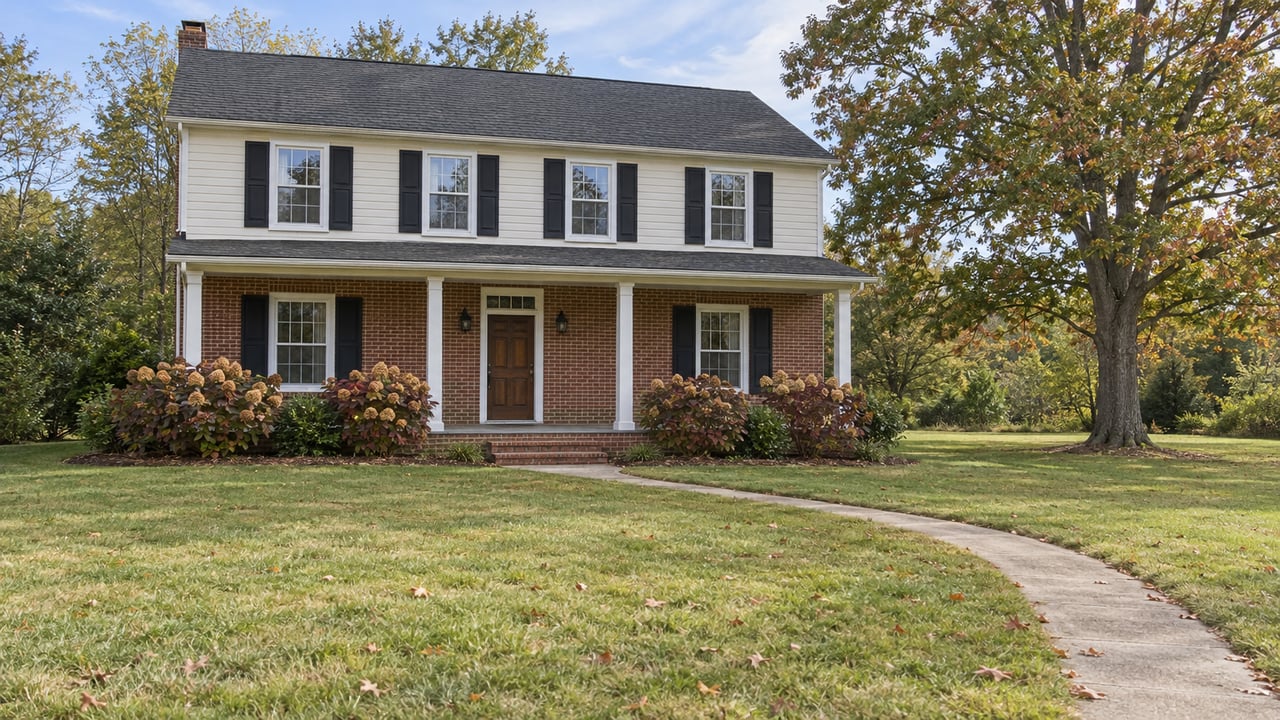
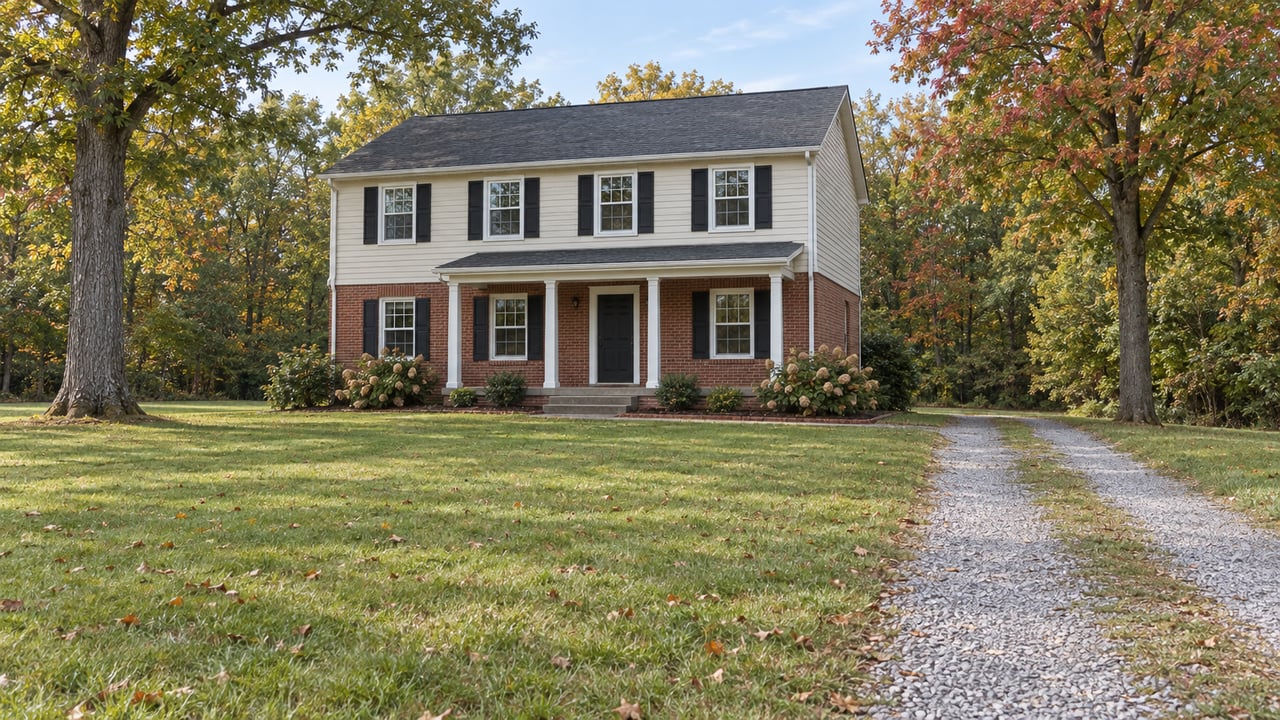
If you're weighing what it's like to actually live near a piece of ground like this, not just visit it, that's the kind of local detail Wray Realty Group spends time on. Reach out anytime you want to talk about property near Briery Creek or anywhere else in Prince Edward County.
This article is general information, not legal, tax or financial advice. Consult a qualified professional about your situation.