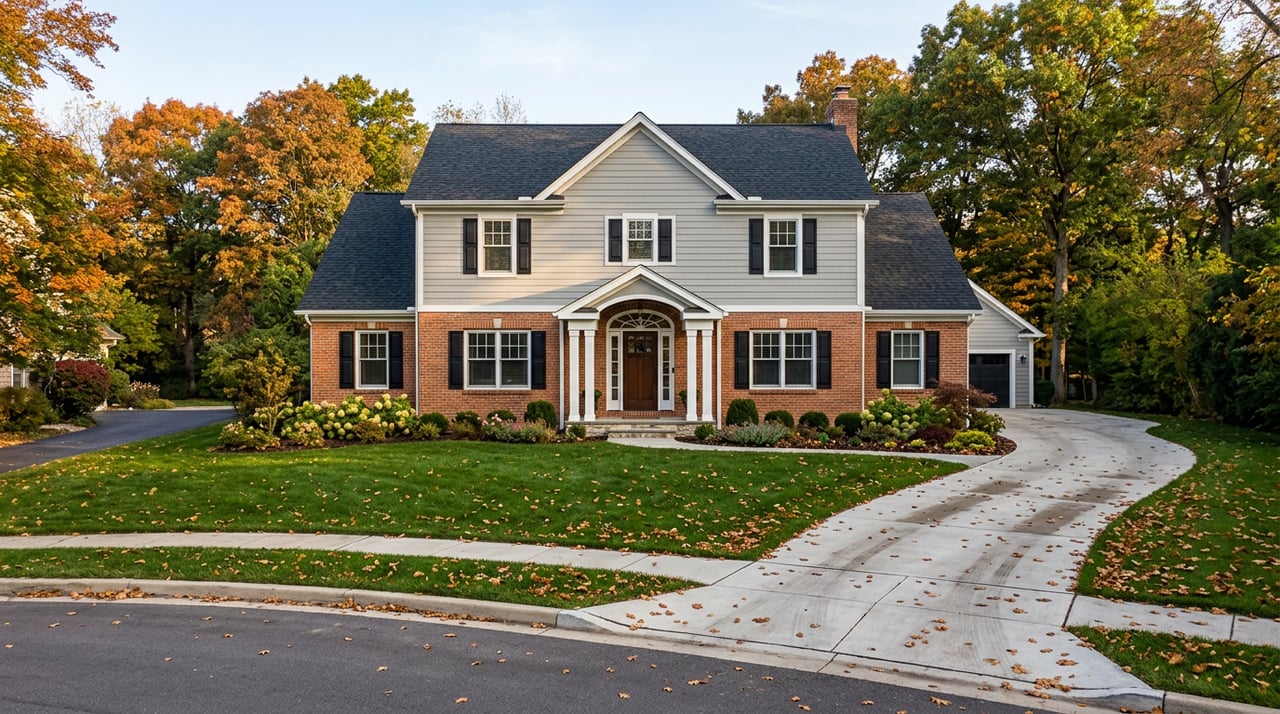
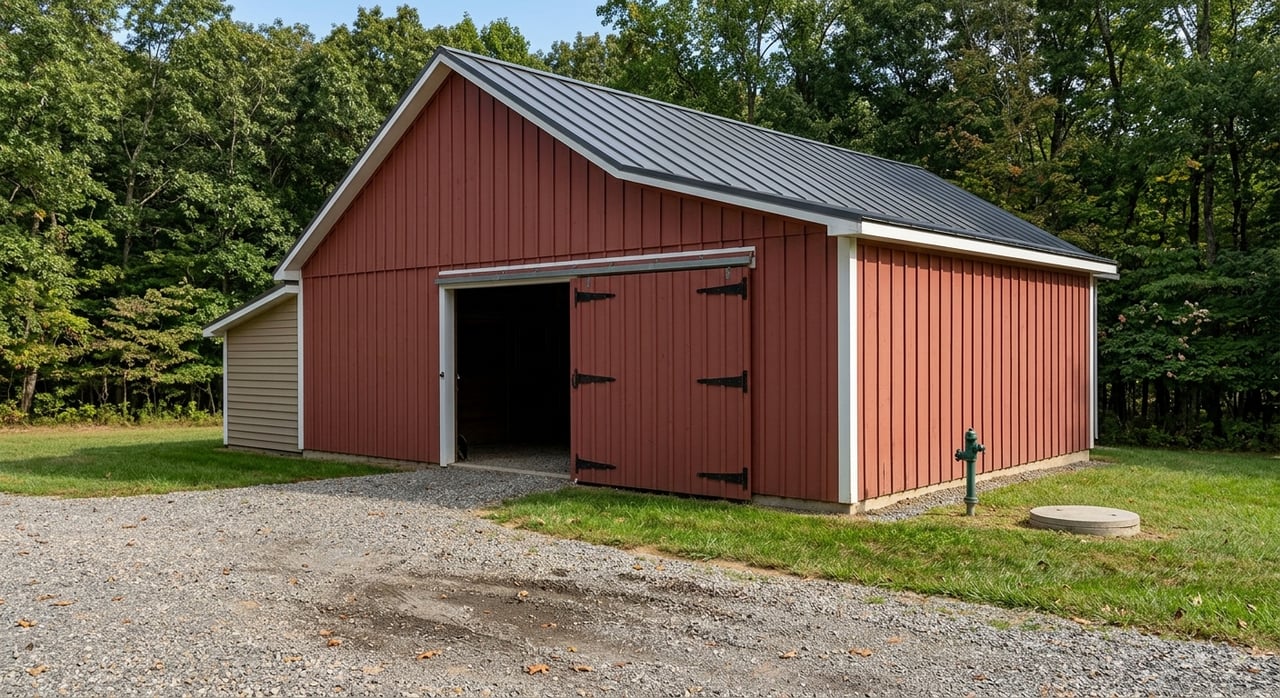
Acreage and hobby-farm properties do not sell like a typical house on a subdivision lot. In Cumberland County, buyers usually want more than pretty photos and a rough acreage number. They want clear answers about boundaries, zoning, utilities, structures, and how the land can actually be used. If you are thinking about selling acreage or a hobby farm here, this guide will help you focus on the details that matter most before you go to market. Let’s dive in.
Why Cumberland County acreage is different
Cumberland County is known for its rural setting and central location in Virginia. The county notes that Route 60 connects the area to Richmond and Lynchburg, with access to places like Charlottesville and Farmville nearby. That combination gives many properties a mix of rural appeal and practical access.
The county’s planning documents also place a strong emphasis on preserving rural character, farmland, open space, and agricultural landscapes. That matters when you sell because buyers are often shopping for a specific lifestyle or land use, not just a home. In Cumberland, the land itself is often a major part of the product.
Start with boundaries and legal acreage
One of the biggest mistakes sellers can make is relying too heavily on a GIS map. Cumberland’s GIS system is helpful for quick parcel review, but the county states that GIS layers are for general reference only. Recorded deeds and plats are the authoritative source for legal acreage and ownership.
Before your listing goes live, gather the documents that support exactly what you are selling. If there is any uncertainty about lines, corners, or total acreage, it is better to address that early than let it become a problem during negotiations.
Documents to gather first
- Recorded deed
- Survey or plat, if available
- Tax map parcel ID
- Any recorded easements
- Utility-related documents if they exist
Check zoning and floodplain status early
Zoning is one of the first things serious land buyers will ask about. Cumberland says the official zoning map is on file with the Planning Department, and it may also be viewed through GIS. For marketing and pricing, you want the zoning district confirmed before you describe possible uses.
Floodplain status matters too. Cumberland updated its floodplain ordinance in April 2024 to comply with FEMA standards, so this is not something to guess about. If part of the property is affected, you want that information verified and communicated clearly.
Why this affects price
Two properties with similar acreage can have very different value if one has a clearer path to future use than the other. Zoning, frontage, floodplain exposure, and access all shape buyer demand. Clear facts help support pricing and reduce surprises.
Understand Cumberland land-use taxation
If your acreage is enrolled in Cumberland’s land-use tax program, that deserves special attention before you accept an offer. The county allows qualifying agricultural, horticultural, and open-space land to be taxed at use value rather than fair market value. Each category requires a minimum of 5 acres.
For agricultural and horticultural land, the county requires a five-year Schedule F history. The county also notes that if land no longer qualifies, rollback taxes can apply for the current year plus the five preceding years. That can affect both your holding costs and a buyer’s expectations, so it should be part of the conversation early.
Know what buyers will compare
Cumberland assesses real estate at 100% of fair market value, with the latest reassessment effective January 1, 2024. The county’s real estate tax rate is $0.60 per $100 of assessed value, and bills are due in two installments on June 15 and November 15. Those carrying costs may not drive the whole pricing strategy, but they do matter.
Buyers also compare more than just total acreage. In this market, practical property features often influence value just as much as size.
Key value drivers for acreage and hobby farms
- Road frontage
- Boundary clarity
- Easement access
- Well and septic setup
- Nearby or available public utilities
- Soil information
- Permitted outbuildings
- Floodplain status
- Development potential under current zoning
Utility questions can make or break a sale
Utility status is often one of the biggest unknowns on rural property. Cumberland’s public water and sewer guidance says connection requirements depend on factors like whether the parcel abuts a utility right-of-way or actual utility, and whether the principal structure is within 600 feet of water or 300 feet of sewer.
The same county guidance says existing wells and septic systems can also affect whether connection is required. That means you should not assume public utility availability, or assume a well and septic setup answers everything. Pull the facts before marketing the property.
Soil information matters more than many sellers think
If you are selling a hobby farm, pasture land, garden-ready acreage, or a future homesite, soil information can help buyers feel more confident. The NRCS Web Soil Survey provides current soils data for land-use and management decisions. Cumberland also offers a GIS shrink-swell soil layer for parcel-level review.
For active growing areas, Virginia Tech Extension says a soil test determines soil pH and plant-available nutrients. If you want to highlight pasture, gardening, or other farm uses, having updated information can make your listing packet more useful.
Verify barns and farm structures
Outbuildings often add appeal, but only when they are documented correctly. Cumberland’s Building Inspection page says agricultural buildings require a permit, though the office does not inspect them. Owners must submit an affidavit farm structure exemption form with a zoning permit application.
The county’s fee schedule also lists a $10 zoning permit for a farm structure. Before your property is marketed, verify the legal status of barns, sheds, and similar agricultural structures so they can be described accurately.
Be careful with development and use claims
Many buyers will ask whether a parcel can be divided, improved, or used for specific rural purposes. Cumberland’s code says the A-20 district is intended to preserve rural land while limiting development dependent on public water and sewer. The A-2 district allows agriculture, general farming, forestry, and cluster subdivision, and the county states that cluster subdivision in A-2 requires 75% of the development to remain undeveloped.
Those rules can have a real impact on value, but broad claims can create problems if they are not verified. It is better to present confirmed facts than to oversell possibilities. That builds trust and helps attract the right buyer.
Market the property with practical answers
The best acreage listings usually answer practical questions before a buyer has to ask. In Cumberland County, that means your marketing package should go well beyond a short description and a few drone shots. A strong rural listing helps buyers quickly understand what is known, what is documented, and what still needs verification.
That is especially important for hobby-farm and land buyers, who tend to be detail-oriented. They often want to know whether the property truly fits their plans before they schedule a showing.
What to include in a strong rural listing packet
- Exact or documented acreage
- Survey or plat information
- Boundary evidence
- Road frontage details
- Easement information
- Zoning district
- Floodplain status
- Soil information
- Water source details
- Septic status
- Utility availability or connection requirements
- Barn and outbuilding documentation
- Land-use tax status, if applicable
Highlight Cumberland’s location the right way
Cumberland County’s central location can be part of the value story. The county points to Route 60 as a connection to Richmond and Lynchburg, with Richmond, Charlottesville, and Farmville nearby. For many buyers, that supports the appeal of owning rural land without feeling cut off.
If the property includes historic agricultural features like older barns or landscape elements, those may also help tell the story. Cumberland recognizes historic barns, mills, schools, and agricultural complexes as part of what makes the county unique. When those features are present, they can add character and context to your marketing.
Watch for agritourism assumptions
If your property has been used for events, farm-based activities, or similar income ideas, do not assume those uses should be advertised broadly without verification. Cumberland states that its agritourism policy is under review, with an updated policy anticipated for Winter or Spring 2026.
That makes it especially important to confirm current county rules before positioning a property around agritourism potential. Clear, accurate marketing is always the safer path.
A smart seller checklist
Selling acreage or a hobby farm in Cumberland County usually goes smoother when you prepare like a land seller, not just a home seller. The more complete your information is up front, the easier it is to price well, market clearly, and avoid delays once a buyer gets serious.
Pre-listing checklist for Cumberland acreage
- Confirm parcel boundaries with deeds and recorded plats
- Verify legal acreage
- Confirm zoning district with the county
- Check floodplain status
- Gather survey, plat, deed, and parcel ID documents
- Review easements and access points
- Pull soil data and testing information if relevant
- Clarify well, septic, and public utility status
- Verify barns, sheds, and other farm structures
- Review land-use tax status and possible rollback exposure
If you want a practical plan for selling acreage or a hobby farm in Cumberland County, working with someone who understands rural property details can make a real difference. From pricing to prep to presenting the land clearly, Joey Wray brings local, straightforward guidance built for this kind of property.
FAQs
What should you verify before selling acreage in Cumberland County?
- You should confirm parcel boundaries, legal acreage, zoning, floodplain status, easements, utility details, and any available survey or plat documents before listing.
Why is GIS not enough for a Cumberland County land listing?
- Cumberland states that GIS layers are for general reference only, while recorded deeds and plats are the authoritative source for legal acreage and ownership.
How does land-use taxation affect a Cumberland County sale?
- If your property is in the county’s land-use program, the tax treatment may affect buyer expectations and seller costs, and rollback taxes can apply if the land no longer qualifies.
What utility information do buyers want on Cumberland County hobby farms?
- Buyers usually want to know whether the property has a well, septic, nearby public water or sewer access, and whether connection to public utilities may be required under county rules.
Should you advertise agritourism potential for a Cumberland County property?
- Only if current county rules support that use, because Cumberland says its agritourism policy is under review and an updated policy is expected in Winter or Spring 2026.