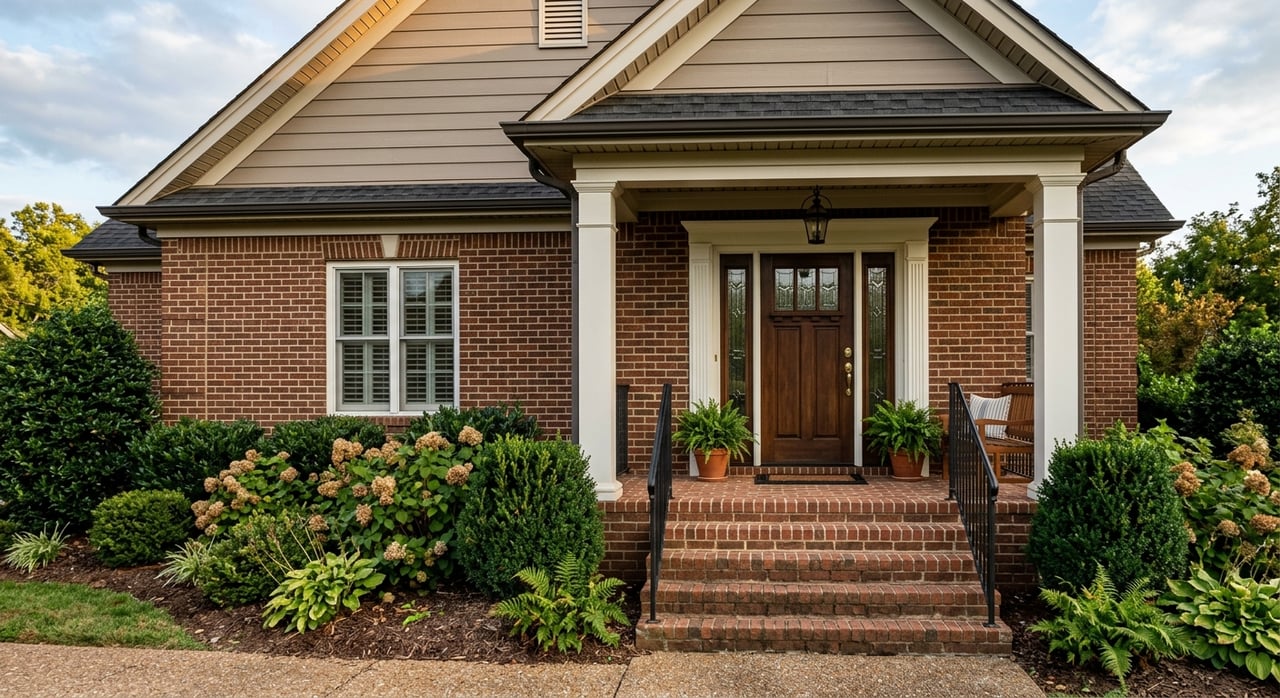
Thinking about buying a home in Prince Edward County? The biggest mistake you can make is assuming every property here works the same way. If you are buying your first home, moving for more space, or looking at acreage, small details like town limits, utility access, and septic status can change your costs and timeline fast. This guide will help you understand what to watch for so you can buy with more confidence. Let’s dive in.
Start With Location Details
In Prince Edward County, one of your first decisions is not just which home to buy, but where that home sits from a jurisdiction standpoint. A property inside the Town of Farmville operates under a different system than a property in the unincorporated county.
That matters because Farmville and Prince Edward County have separate real estate tax rates, utility systems, planning processes, and permit offices. If you compare two homes with similar prices but different locations, your monthly costs and future project steps may look very different.
Farmville vs. County Property
A home inside Farmville falls under the town’s tax structure, public works water and sewer system, planning commission, building official, and permit portal. A home outside town limits typically works through Prince Edward County offices for planning, zoning, and building matters.
For you as a buyer, that means you should confirm the exact jurisdiction early. It affects taxes, utility setup, and who you contact if you want to add a deck, build a garage, repair an older structure, or make other changes later.
Budget for Taxes Carefully
Property taxes in Prince Edward County are not something to estimate loosely. The county says real estate values were reassessed effective January 1, 2025, and the annual real estate tax rate is set by the Board of Supervisors near the end of April.
The due dates also differ by jurisdiction. In Prince Edward County, real estate and personal property taxes are due December 5. In Farmville, real estate taxes are due December 15.
Why Tax Timing Matters
If you are building a monthly housing budget, the final tax amount depends on both assessed value and whether the home is in Farmville or the county. Two nearby properties may not carry the same annual tax obligation.
This is one reason local guidance matters so much in smaller markets. Before you make an offer, it helps to confirm how the property is classified and what that means for your ongoing costs.
Check Utilities Before You Fall in Love
Utility planning is a major step in Prince Edward County, especially if you are looking at homes with land or homes near, but not inside, Farmville. Service availability can change from one property to the next.
In Farmville, new water and sewer customers must complete a form and provide a photo ID. The town also lists different tap fees for in-town versus out-of-town service, which means location can affect both setup and long-term utility costs.
Ask These Utility Questions Early
Before you move too far into the buying process, ask:
- Is the property inside Farmville or outside town limits?
- Is it served by public water and sewer?
- If not, does it use a private well and onsite septic system?
- Are there added costs tied to new service, transfers, or future upgrades?
These answers help you avoid surprises after closing. They are especially important if you are comparing a neighborhood home in town to a rural property with acreage.
Get Financing Ready Before You Shop
A strong home search starts with financing. A preapproval letter can help show sellers you are serious, but it is important to remember that it is tentative and not a guaranteed loan offer.
The Consumer Financial Protection Bureau notes that preapproval letters often expire in 30 to 60 days. Sellers also frequently want to see one before accepting an offer, so it is smart to get this step done early and keep an eye on expiration dates while you search.
Compare Loan Estimates
Once you choose a home, ask multiple lenders for Loan Estimates so you can compare costs and terms. Looking at more than one option can help you understand your interest rate, closing costs, and overall loan structure more clearly.
If upfront costs are a concern, Virginia Housing is an important state resource to ask about. It offers loan and grant programs for qualified buyers, including options that may help with down payment and closing costs when tied to eligible Virginia Housing loans.
Understand Inspection vs. Appraisal
Many buyers use these terms as if they mean the same thing, but they do not. An appraisal is an independent estimate of the home’s value, and lenders may require it as part of the mortgage process.
A home inspection is different. That is the step where you learn more about the property’s condition, and it is generally not something you want to skip.
Why This Matters More in Rural Areas
In Prince Edward County, this distinction becomes even more important because some homes rely on private wells and onsite septic systems. A property can appraise well and still have condition issues or system concerns that need closer review.
The Virginia Department of Health oversees permits for private wells and onsite sewage systems. Its real estate guidance says septic inspections should be arranged as soon as possible, preferably several weeks before closing, because major repairs can take weeks and may delay settlement.
Review Septic Records and Notices
If the home has a septic system, you should also ask about deed-recorded waivers, easements, and notices tied to alternative septic systems. These details can affect how the property is used and what future maintenance or repair work may involve.
For buyers looking at acreage, older homes, or rural properties, this is one of the most important parts of due diligence. It is much easier to sort through these questions before closing than after you own the property.
Plan Ahead for Renovations and Land Use
If you already know you want to renovate, expand, or build something after closing, check permit requirements before you buy. This is especially important for older homes, manufactured homes, and properties where you may want to add structures later.
Prince Edward County says permits are required for construction, enlargement, repair, conversion, or demolition. The county may also require zoning approval, Health Department approval, and Virginia Department of Transportation approval before issuing a permit.
Confirm the Right Permit Office
Farmville properties follow a separate process through the town’s building official and permit portal. County properties outside town limits work through Prince Edward County offices instead.
That split matters if you are buying with a vision for updates. Before you commit, make sure you know which office has authority over the property and what approvals may be required for your plans.
Know What Happens at Closing
Closing day is when a lot of important details come together. You will sign settlement documents, review final figures, and complete the purchase.
The Consumer Financial Protection Bureau says the Closing Disclosure must be delivered at least three business days before closing. That gives you time to review final loan terms, fees, and cash-to-close figures before you sign.
Recording and Final Checks
The settlement agent or closing attorney prepares the transfer documents and handles recording. In Prince Edward County, the circuit court clerk in Farmville records deeds and land records, making Farmville the practical hub for deed recording and many post-closing county tasks.
As closing approaches, take time to verify wire instructions, final funds needed, and ownership details carefully. A little extra review at this stage can help prevent avoidable problems.
Handle Post-Closing Tasks Quickly
Your work is not fully done the moment you get the keys. After closing, you will want to make sure taxes, utilities, and local account transfers are handled promptly.
Prince Edward County’s treasurer accepts real estate tax payments online, by mail, by drop box, or in person, and county real estate taxes are due December 5. For homes in Farmville, the town’s real estate tax deadline is December 15.
Set Up Utilities Right Away
If your new home is in Farmville, water and sewer account setup requires a new customer form and photo ID. If the home is outside town, your utility checklist may look very different depending on whether the property uses private systems.
This is another reason to think beyond the purchase price. A smooth move often depends on handling these local details early and in the right order.
A Simple Prince Edward County Buying Checklist
If you want a practical way to stay organized, focus on these steps:
- Confirm whether the home is in Farmville or unincorporated Prince Edward County.
- Review property taxes and note the correct payment deadline.
- Verify water, sewer, well, or septic service.
- Get preapproved and watch the expiration date on your letter.
- Compare Loan Estimates from multiple lenders.
- Schedule a home inspection.
- If applicable, arrange septic review as early as possible.
- Check permit and zoning requirements if you plan improvements.
- Review your Closing Disclosure at least three business days before closing.
- Set up taxes and utilities as soon as the purchase is complete.
Why Local Guidance Helps
Prince Edward County buyers are often choosing between two related but different systems: in-town Farmville and outlying county property. That is why buying here is not only about square footage, price, and style.
You also need to understand local taxes, utility access, well and septic considerations, and which office handles permits and recording. When you have clear guidance on those moving parts, it is easier to avoid surprises and make a decision that fits your budget and goals.
If you are planning a move in Prince Edward County and want straightforward help sorting through homes, land, utilities, and the local process, Joey Wray is here to help you move forward with confidence.
FAQs
What should home buyers know about Farmville vs. Prince Edward County properties?
- Homes inside Farmville and homes in unincorporated Prince Edward County can have different taxes, utility systems, permit processes, and offices that handle future improvements.
What is the property tax deadline for Prince Edward County home buyers?
- Prince Edward County real estate and personal property taxes are due December 5, while Farmville real estate taxes are due December 15.
What should Prince Edward County buyers ask about utilities?
- You should ask whether the home uses public water and sewer or a private well and septic system, and whether location affects setup fees or service availability.
What is the difference between a home inspection and an appraisal for Prince Edward County buyers?
- An appraisal estimates the home’s value for lending purposes, while a home inspection reviews the property’s condition and can uncover issues that affect your decision.
Why do septic inspections matter for rural homes in Prince Edward County?
- The Virginia Department of Health recommends arranging septic inspections as early as possible because repairs can take weeks and may delay closing.
Where are deeds recorded after a Prince Edward County home purchase?
- Deeds and land records are recorded through the Prince Edward County circuit court clerk’s office in Farmville.
What should buyers know about permits for Prince Edward County home improvements?
- County permits may be required for construction, repair, conversion, enlargement, or demolition, and some projects may also need zoning, Health Department, or VDOT approval.
Can first-time home buyers in Virginia get help with upfront costs?
- Qualified buyers may be able to use Virginia Housing loan and grant programs that can help reduce down payment and closing cost needs.