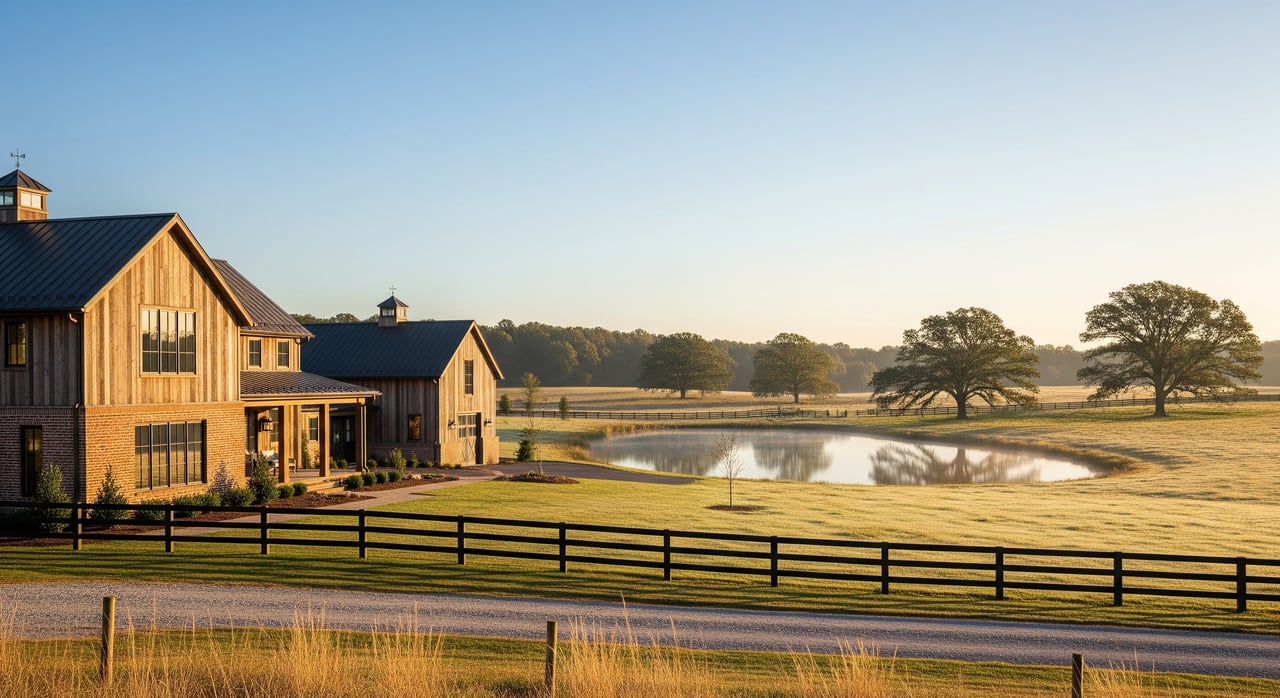
Imagine waking up to quiet mornings, birdsong, and a sky that feels a little bigger. That is the draw of acreage living in Powhatan County if you want space, privacy, and a slower daily pace within reach of Richmond. You might also wonder what the routine really looks like, from chores and commutes to internet access and rules for chickens. You will find a clear picture here so you can decide if a few acres in Powhatan fits your life. Let’s dive in.
Powhatan acreage at a glance
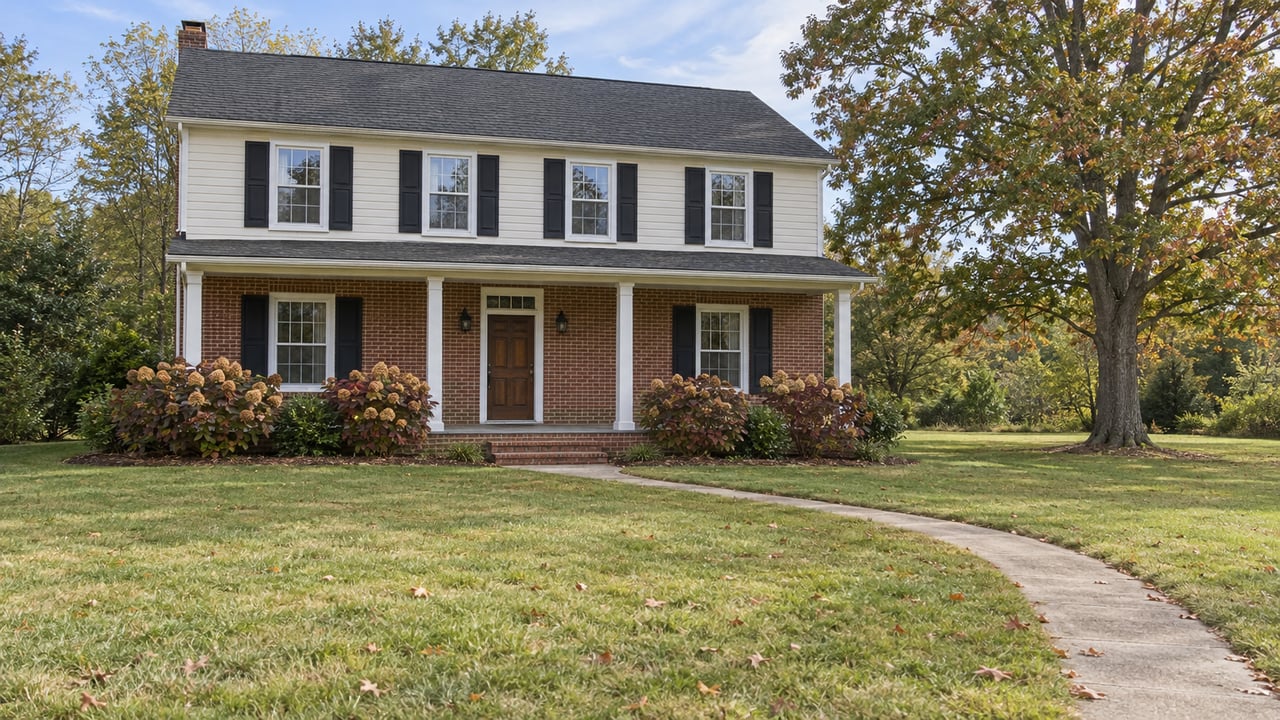
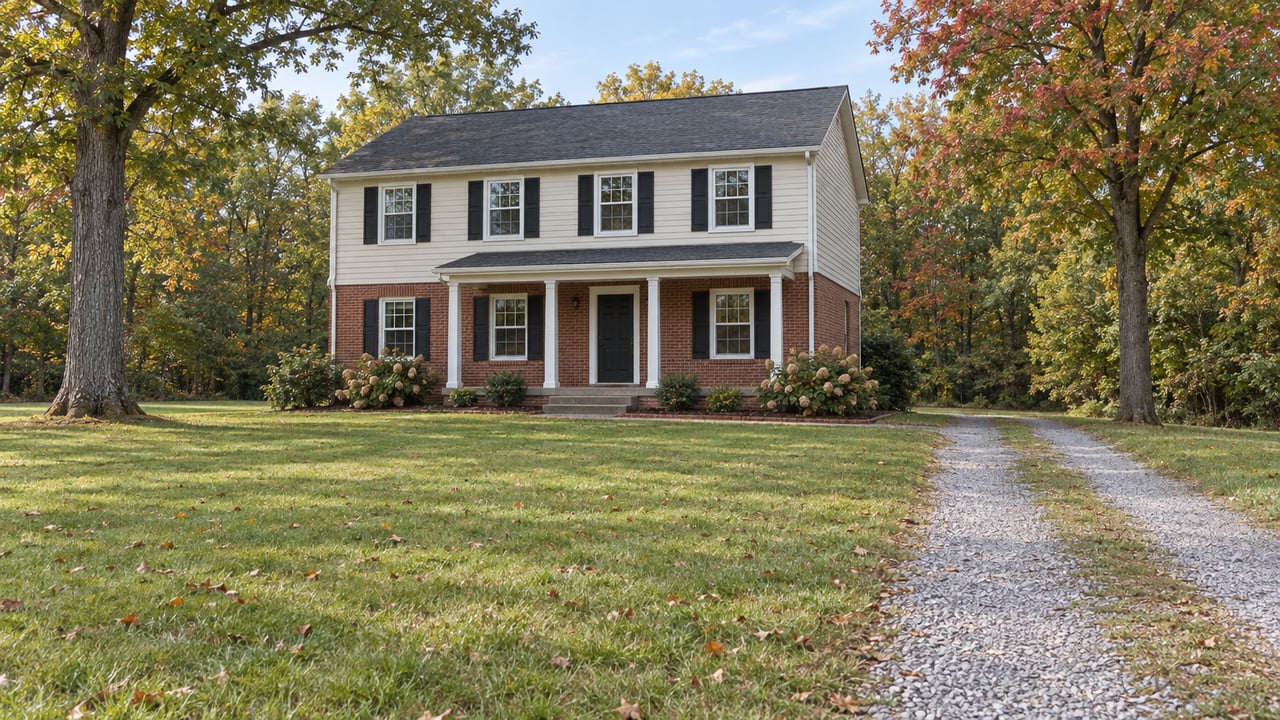
Powhatan County sits just west and southwest of Richmond, with a strongly rural feel and homes on larger lots. You will see a mix of wooded parcels, open fields, and properties with barns or fenced pastures. Typical residential acreage ranges from 1 to 3 acres for country lots, and 5 to 20 or more for hobby-farm setups.
Climate matters if you want gardens or small orchards. Central Virginia falls in USDA hardiness zones around 7a to 7b with warm, humid summers and mild winters. That means a long growing season for vegetables, fruit trees, and many ornamentals. Some parcels sit near the James River or smaller creeks, so you will also want to check for any floodplain on a specific property.
Morning routines and weekdays
Weekdays start a little earlier on acreage. If you commute into Richmond, Short Pump, or Midlothian, plan on roughly 25 to 45 minutes each way depending on your exact location and traffic. School bus service covers rural routes, and ride times can be longer if you live farther out.
Pets and livestock shape your morning rhythm. Many owners feed chickens or small animals before work, check fencing, and make sure pets are contained. In wet seasons you might add a few minutes for boots and muddy driveways.
Evenings bring a quieter reset. Without much traffic noise, you notice frogs, crickets, and owls. You also may set aside time for simple chores like mowing, moving hoses, or stacking wood.
Weekends and seasons
Weekends often revolve around the property itself. In spring and summer, you might plant beds, prune, and keep up with mowing. Come fall, the tasks shift to trimming trees, cleaning gutters, and prepping for storms. Winter is a time for equipment upkeep and planning next year’s garden.
Many residents spend free hours outside. Fishing, hiking, and kayaking are popular on nearby rivers and parks. Local farmers markets, equestrian centers, and county fairs add a friendly community feel. With Richmond close by, you can still catch museums, theaters, and college events when you want them.
Utilities and home systems
Water and septic basics
Most acreage homes rely on a private well and on-site septic. You should budget for routine well testing, pump maintenance, and periodic septic inspection. In some soils, alternative septic systems are used, which may have different maintenance needs. Municipal water or sewer is limited and usually found only in small service areas.
If you are building, your lot size, soil tests, and setbacks from water features will guide what type of system is allowed. If you are buying an existing home, review well and septic records and plan for ongoing care.
Power, heat, and internet
Electric service runs through rural distribution lines. Many homeowners keep a backup generator for storm resilience. Propane is a common fuel for heat or cooking and can supplement electric systems.
Internet quality varies by address. Some pockets have cable or fiber, while others rely on DSL, fixed wireless, or satellite. If you work from home, verify speeds with providers for the exact parcel. Cell service is often usable but can be spotty in wooded or low areas, so checking coverage by carrier helps.
Driveways and access
Long private driveways are common. You are generally responsible for grading, gravel, and snow removal on your driveway. State and primary roads are plowed by road crews during winter storms, but service to smaller rural roads can take longer after severe weather.
Land care and wildlife
Mowing, trees, and timber
Keeping a few acres tidy takes planning. Expect seasonal mowing of fields, trimming fence lines, and basic tree care. Some owners invest in equipment like a compact tractor, brush hog, or ATV. Others hire local services for mowing and timber thinning. If your property is heavily wooded, creating defensible space around your home is a smart wildfire risk reduction step.
Fencing and outbuildings
Fences serve many roles on acreage. They help keep kids and pets safe, protect gardens from deer, and secure small livestock. Sheds and barns are practical for tools and equipment. If you plan to build a new structure, confirm permits, setbacks, and any subdivision rules that may apply.
Pests and safety
You should expect ticks, mosquitoes, and occasional groundhog or rodent damage. Deer are common and may browse gardens. If you keep small animals, plan for predator-resistant enclosures and fencing. Many rural homeowners also keep first-aid kits, extra water, and basic supplies on hand since emergency response times can be longer than in urban areas.
Community life and amenities
Daily errands often stay local. You will find small grocery stores, hardware shops, farm supply stores, and local restaurants in the county. For big-box retail, specialty shopping, and larger entertainment venues, residents drive into the Richmond metro area.
Healthcare options include clinics and primary care in the county, with hospitals and specialty care in nearby Richmond. Volunteer fire companies and county EMS serve the area, and they are core parts of the community fabric.
Families evaluate Powhatan County Public Schools alongside private and magnet options in the region. County school buses run rural routes with varying ride times. If schools are important to you, plan a visit and review official resources during your search.
Rules and permits to know
Zoning and small livestock
Acreage parcels often allow small flocks and hobby livestock. Local rules can set limits on the number of animals, structure setbacks, manure management, and noise. Roosters may be restricted in some cases. Always confirm your zoning district and any subdivision covenants before you buy.
Barns, sheds, and additions
Most new structures, from barns to workshops, require permits and must meet setbacks and building standards. Larger agricultural buildings can trigger extra reviews, including erosion control and drainage plans. If your parcel has a homeowners association, covenants may set additional limits on design or placement.
Wells, septic, and hunting
New wells and septic systems require health department permits and specific soil and setback criteria. Upgrading failing systems can be significant, so inspections are important during due diligence.
Private hunting on your own land is common, with rules that govern discharge of firearms near roads and dwellings. If you are new to rural ownership, review state hunting regulations and any local ordinances for safety and compliance.
Land programs and conservation
If you plan to manage timber or enhance habitat, you may qualify for forestry assistance or conservation cost-share programs. Conservation easements and tax programs can also support long-term stewardship. Explore options with state and federal agencies during your planning phase.
Is this lifestyle a fit?
Acreage living delivers privacy, space, and a closer connection to nature. It also asks for more hands-on care and a little more planning. You will trade some convenience for room to roam. If you enjoy outdoor projects, do not mind a longer drive for certain services, and like the idea of shaping your land over time, Powhatan can be a great fit.
If you prefer turnkey convenience and quick access to major amenities, factor your drive times, internet needs, and ongoing maintenance into the decision. The right parcel should match your daily routine as much as your dreams.
Buyer checklist for acreage
Utilities and services
- Confirm if the home is on well and septic, review records, and budget for maintenance.
- Verify electric provider, backup power options, and internet availability and speed at the address.
Access and maintenance
- Assess driveway length and condition, plus who handles snow and grading.
- Understand public road maintenance priorities after storms.
Property physicals
- If building, confirm soil tests and septic feasibility.
- Check for floodplain or wetlands that affect buildable areas and insurance.
- Evaluate timber, invasive species, and tree hazards around structures.
Zoning and legal
- Confirm zoning district, permitted uses, and setbacks.
- Review any HOA or subdivision covenants for animal rules and structure limits.
- Identify permit needs for barns, fences, pools, or solar.
Lifestyle fit
- Time your commute to work and schools during peak hours.
- Map distance to groceries, healthcare, and recreation.
- Be honest about time and budget for land care and system upkeep.
Costs to plan for
- Septic inspections, pumping, and potential repairs or replacement.
- Well testing and possible remediation.
- Routine land maintenance like mowing, fence repair, and tree work.
- Supplemental insurance such as flood or umbrella policies if needed.
Next steps
If Powhatan acreage living aligns with your vision, the next step is to pair that vision with a parcel that fits your daily life and budget. Walk a few properties, ask about well and septic history, and verify internet options by address. Talk through zoning, animals, and any structure plans before you make an offer.
When you are ready for local guidance and a steady hand from search to closing, reach out to Joey Wray. You will get practical advice on parcels, permits, and daily-life tradeoffs so you can buy with confidence.
FAQs
Can I keep chickens or horses on Powhatan acreage?
- Often yes on acreage parcels, but local rules can limit animal numbers, set structure setbacks, and address noise. Confirm your zoning district and any subdivision covenants before you commit.
Will my Powhatan property use a well and septic system?
- Many acreage homes rely on a private well and on-site septic. Review records during due diligence and budget for testing, inspections, and ongoing maintenance.
How long is the commute from Powhatan to Richmond?
- Many daily commutes fall in the 25 to 45 minute range, depending on your exact location and traffic patterns. Time your route during peak hours to be sure.
Is rural internet reliable on Powhatan acreage?
- It varies by address. Some pockets have cable or fiber, while others use DSL, fixed wireless, or satellite. Verify providers and speeds for the specific parcel.
What should I expect for emergency response times?
- Volunteer fire companies and county EMS serve rural areas, but response can take longer than in urban zones. Many owners keep first-aid kits and backup power as a precaution.
Do Powhatan schools serve rural routes for students?
- Yes. Powhatan County Public Schools provide bus service across rural routes. Ride times may be longer for homes farther from schools, so plan accordingly.